
Why Do Smartphone Batteries Drain So Fast?
Smartphone batteries often seem to drain faster than they should, even on newer models. You charge to 100%, but a few hours later you are hunting for a charger again. Modern phones pack powerful processors, bright displays, 5G, and always‑on connectivity, and all of these features use energy constantly. On top of that, many apps now stay active in the background, tracking, syncing, and sending data even when you are not using them. Understanding where that power goes helps you fix fast drain, extend battery lifespan, and avoid needing a replacement sooner than necessary.

The Most Common Causes of Fast Battery Drain
Screen Brightness, Display Size, and High Refresh Rates
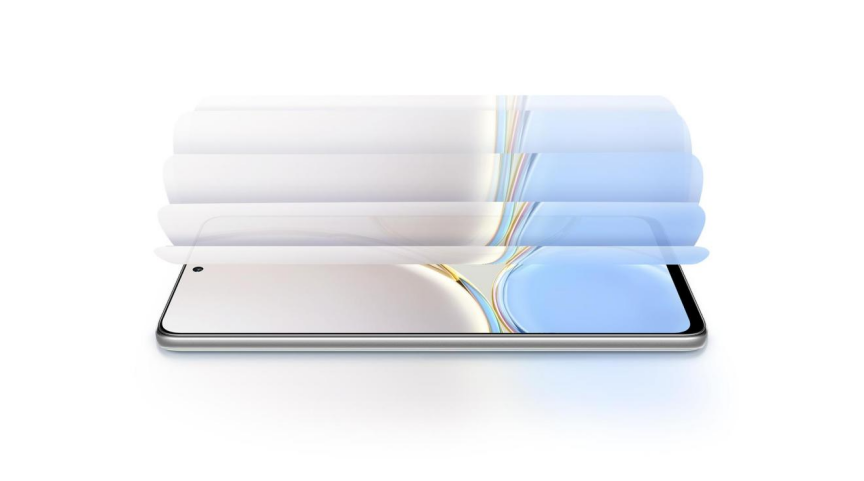
Your screen usually ranks as the top power consumer. High brightness pushes the display backlight or OLED pixels to work harder, which quickly drains your battery. A larger screen also needs more energy to light each pixel, especially on high‑resolution panels. Many new phones use 90Hz, 120Hz, or even higher refresh rates to make scrolling smoother. However, those extra frames per second demand more power from the GPU and display controller. If you keep the refresh rate and brightness at maximum all day, your battery life will drop significantly.
Background Apps, Notifications, and Hidden Processes
Many people using the HONOR X9 close visible apps and assume their phone is idle, but background processes often continue running. Social media, messaging, maps, and email apps regularly check for updates and new content. Push notifications, widgets, and live activities also poll servers or receive constant data. Some apps hold wakelocks that keep the processor active, even when the screen is off. Over time, these hidden tasks add up and cause noticeable drain. Poorly optimized apps can sync too often, fetch large files, or run tracking code that wastes energy without giving you clear value.
Hidden Factors That Drain Your Battery Faster Than You Think
Location Services, GPS, and Always-On Features
Location services use GPS, Wi‑Fi scanning, Bluetooth, and mobile networks to pinpoint where you are. Navigation, ride‑hailing, fitness, and weather apps often request location updates frequently, which taxes the battery. Always‑on features like “always‑on display,” continuous microphone listening for voice assistants, and real‑time activity tracking also contribute to constant drain. These features may seem passive, but they keep sensors and processors partially awake. If dozens of apps have location or background access, your phone spends a surprising amount of energy tracking movement, refreshing data, and listening for commands.
Outdated Software, Bugs, and Inefficient Apps
Older software can contain bugs or inefficient code that wastes power. When you skip system updates, you may miss performance optimizations and battery fixes provided by the manufacturer. Some apps do not follow platform guidelines and run frequent background tasks, crash loops, or heavy analytics. These behaviors keep the CPU active and trigger extra network use. After a major OS update, some devices temporarily drain faster while the system reindexes data or apps adapt. However, persistent drain often points to outdated apps, poor coding, or conflicts that an update or reinstall can solve.
How to Identify What Is Draining Your Battery
Using Built-In Battery Usage Tools and Settings
Android includes battery usage charts that show which apps and services consume the most power. You can open Settings, go to Battery, and review usage by app and time period. These tools often display screen‑on time, background activity, and impact of the display, mobile network, and system processes. Some phones also flag “high battery usage” apps and suggest restrictions. By checking these reports regularly, you can spot patterns, such as one app jumping to the top of the list, or excessive drain from mobile data or screen time.
Signs of Abnormal Drain and When to Take Action
Abnormal drain shows up when your phone loses large percentages while idle, warms up during light tasks, or lasts far fewer hours than before with similar use. If the battery drops quickly in airplane mode or safe mode, the issue might be hardware or the battery cell itself. Sudden shutdowns at 20–30% also indicate wear. When software tweaks and app management do not improve things, you should contact support, run a diagnostic test, or consider a battery replacement, especially if your device is more than two or three years old.
Conclusion
Fast battery drain usually comes from a mix of obvious and hidden factors: bright displays, high refresh rates, weak signal, background apps, location tracking, heat, and aging cells. By checking battery usage stats, limiting unnecessary permissions, updating software, and avoiding extreme temperatures, you can often regain several hours of daily runtime. Over time, all lithium‑ion batteries lose capacity, but smart habits slow that process. A few adjustments to settings and usage patterns make your phone feel more reliable and reduce the frustration of constant charging.