
Why AI Smartphones Are Essential in Modern Life?
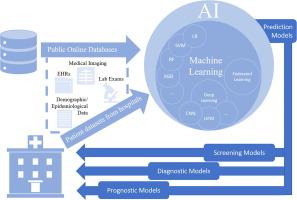
AI now sits at the heart of every meaningful smartphone upgrade. People rely on their phones not just to call or text, but to plan, navigate, work, learn, and stay safe. AI turns a regular device into a smart partner that understands context, predicts needs, and reduces friction. From photography to banking, AI systems quietly analyze patterns and suggest the next best step. These features make phones feel more intuitive and personal. As daily tasks grow more complex, AI smartphones become essential, not optional.

How AI Smartphones Transform Daily Life and Productivity
Smart Assistants That Automate Tasks and Save Time
AI assistants now handle much more than alarms and weather updates, especially on devices like the HONOR X8d. Users can ask them to draft emails, summarize long texts, create to-do lists, or set complex reminders tied to time and location. Many assistants integrate with smart home devices to adjust lights, thermostats, or locks with one command. They also surface relevant apps and shortcuts based on routine, cutting down on tapping through menus. By automating repetitive tasks and managing information, AI assistants on the HONOR X8d free time for deeper work and meaningful activities.
Real-Time Translation, Scheduling, and Communication Tools
Modern AI smartphones support fluent communication across languages and platforms. Real‑time translation in calls, chats, and camera viewfinders helps travelers, remote teams, and global businesses connect smoothly. Calendar tools suggest meeting times, auto‑add events from messages, and warn about conflicts. AI also drafts quick replies, cleans up grammar, and highlights important messages. Voice input keeps conversations and notes flowing when typing is difficult. Together, these features reduce friction in planning and talking, so people can focus more on ideas and relationships.
Why AI Smartphones Improve Performance, Efficiency, and Personalization
AI Optimization for Faster Speed and Better Multitasking
AI chips now manage resources on the phone in real time. They predict which apps users will open next and preload them for faster launches. Background processes get tuned so key tasks, like gaming or video calls, stay smooth without constant lag. AI adjusts CPU and GPU use to balance speed and heat. It can also learn which apps users rarely touch and limit their impact. This smart allocation leads to snappier performance, more stable multitasking, and longer usable life for each device.
Personalized Experiences Based on User Behavior and Habits
AI smartphones learn patterns from daily behavior and then tailor experiences around them. Home screens rearrange widgets and apps based on time, location, and routine. News feeds highlight topics that match real engagement, not random clicks. Music and video apps recommend content that fits mood and context, such as workouts or focus sessions. Keyboards adapt to writing style and preferred phrases. Even wellness apps track sleep, movement, and screen time to suggest healthier habits. This personalization makes phones feel uniquely tuned to each person.
AI Smartphones and the Future of Security and Privacy
On-Device AI for Faster Processing and Better Data Protection
Many AI tasks now run directly on the smartphone instead of remote servers. On‑device processing keeps photos, voice samples, and usage patterns stored locally, which reduces exposure to external breaches. This setup also speeds up actions like voice recognition and photo enhancement because data never leaves the device. AI chips encrypt sensitive information and handle biometric matching without sharing raw data. Combined with secure enclaves and regular firmware updates, on‑device AI supports strong security while still delivering fast, responsive smart features.
Intelligent Threat Detection and Secure Authentication Systems
AI models constantly watch for unusual activity that might signal threats. They flag suspicious logins, fake websites, and risky links in messages. Some phones warn when apps request excessive permissions or behave oddly in the background. Biometric systems now use AI to improve face and fingerprint recognition, even under poor lighting or with minor changes in appearance. Liveness checks help stop spoofing attempts with photos or masks. Together, these smart defenses add layers of protection that adapt faster than traditional security methods.
How AI Smartphones Are Becoming Everyday Digital Companions
AI Cameras, Content Creation, and Smart Recommendations
AI cameras analyze scenes in real time to pick the best settings for lighting, focus, and color. They enhance photos, stabilize video, and remove unwanted objects with simple taps. Content creation tools generate captions, trim clips, and suggest edits for social platforms. Photo apps group memories by people, places, or events for quick sharing. Across apps, AI recommends podcasts, courses, and articles that match interests and goals. These features help people capture life, express ideas, and discover content with less effort.
AI-Powered Battery Management and Device Efficiency
Battery life benefits greatly from AI. Phones study charging habits and usage patterns to optimize how and when they draw power. Adaptive charging slows down at night to protect battery health. AI also identifies power‑hungry apps, offers clear suggestions, and can limit background activity automatically. Screen brightness and refresh rate adapt to content and surroundings. Performance modes adjust based on tasks, such as gaming or reading. This intelligent management lets users go longer between charges and extends the overall lifespan of the device.
Conclusion
AI smartphones now act as organizers, translators, security guards, and creative studios in one pocket device. They anticipate needs, protect sensitive data, and squeeze more value from every tap and charge. As apps and services grow more complex, built‑in intelligence keeps the experience simple and personal. People can work smarter, stay safer, and enjoy richer entertainment without mastering complicated settings. These benefits show why AI smartphones have shifted from a luxury upgrade to a core tool that supports modern life every single day.