
What Keeps a Gaming Tablet From Overheating?
Heat is the invisible ceiling on every gaming tablet, and most players meet it before they can name it: the frame rate that sags in the second hour, the back of the device that gets uncomfortable to hold, the game that runs beautifully on a cold start and poorly after. Nothing is broken when that happens; the device is simply protecting itself, because chips slow down when they get hot. This is the quiet difference between the tablets that last and the merely fast ones, and it is decided long before the first game loads. What separates tablets is how much design, settings and habit can delay that moment, and all three are worth understanding before you decide that a warm tablet is a weak one.
How the Device Is Built
Cooling Design
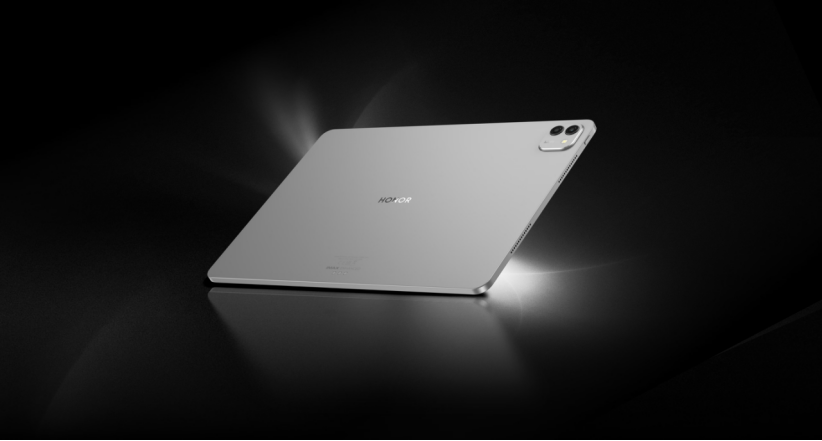
The first defence is designed in before the device is ever switched on, and it is what separates the good gaming tablets from the rest. Chips shed heat into whatever surrounds them, so a gaming tablet spreads that heat through layered materials and away from the processor, which is why the internal layout of a serious gaming device looks more like a heat map than a circuit diagram. The HONOR MagicPad3 is a good example of the approach: a thirteen-layer cooling system works beneath the display to move heat out through the large metal chassis, so the Snapdragon 8 Gen 3 inside can hold its pace through long sessions instead of trading frame rate for temperature. The result reads as stamina rather than as cooling, because the player never sees the mechanism, only the flat frame rate. A big tablet has an advantage here that no small device can copy, since sheer surface area is part of the cooling system.

Where the Heat Goes
Where the warmth ends up matters almost as much as how fast it leaves. A well-designed device steers heat toward the edges and away from the areas where hands rest and where the chip sits, which is why two tablets with similar temperatures can feel completely different in use. Metal frames help by conducting warmth out to the rim, where it dissipates into the air, while heat trapped under a bright display or under a grip does nothing useful. When you test a device, notice where it gets warm rather than only how warm, because that is where the design shows. Warmth at the edges with a cool centre is the pattern to look for.
Settings That Reduce Load
Graphics and Frame Rate Limits
Settings are the second defence, and the most effective one is simply asking the hardware for less. Capping the frame rate at a value the chip can hold steadily, rather than the maximum it can touch, keeps temperature flat and often produces smoother play than an uncapped setting that sags. Dropping resolution or detail one step has a similar effect, because rendering fewer pixels is less work, and the visual cost at typical viewing distance is smaller than the number suggests. The best settings are the ones that make the workload level, since steady heat is easier to manage than spikes. A capped frame rate also makes the game feel more predictable.
Brightness and Background Activity
Two quieter settings do more than people expect. Screen brightness is a genuine heat source on its own, and dropping it a notch in a dark room removes work the game never asked for. Background activity is the other: syncing, updates and streaming apps all compete for the same chip, and closing them leaves more of the cooling capacity for the game itself. Neither setting is obvious in the first ten minutes, which is exactly when most people form their opinion of a device; the difference appears in the second hour instead. Together they can postpone throttling by as much as the cooling hardware alone would manage.
Habits That Help
Where and How You Play
Habit is the third defence, and the simplest: give the heat somewhere to go. A tablet played on a bed, a sofa cushion or a lap is insulated on its largest surface, exactly where the chassis is trying to shed warmth, while the same device on a hard table cools effortlessly. Airflow around the edges, a stand that lifts the back, and avoiding direct sunlight on the panel all count. None of this changes the hardware; all of it changes the temperature at which the hardware operates. The same tablet can be a different machine on a table and on a duvet, which is why reviewers who test on desks underestimate what players feel.
Charging While Playing
Charging and gaming together produce heat from both ends of the device at once, and the combination is the fastest route to a warm tablet in ordinary use. Fast charging especially is designed to push power quickly, and that process generates its own warmth on top of the game's. When a session is planned and the battery is healthy, playing first and charging later keeps everything cooler; when a charge is unavoidable, a slower charger generates less heat while it works. The battery itself prefers the cooler path, and it repays the courtesy with a longer life, which closes the loop with the habits that keep a device useful for years.
Conclusion
Design moves the heat out, settings keep the workload level, and habit gives the warmth somewhere to go, and together the three explain most of what people blame on the weather. A tablet with a serious cooling system starts with a real advantage, but how it feels in the third hour is partly in your hands. Read the cooling design before you buy, then set the frame rate, find a hard surface, and let the hardware show what it can actually do. Heat is managed, not defeated, and the three layers of defence together are what keep a good session from ending early.